Takeaways
- The recent breach at Harvard’s alumni and donor database shows that even highly resourced institutions are vulnerable to social-engineering attacks.
- What’s at stake isn’t always financial data — personal contact and biographical data can be enough to fuel fraud, identity theft, or tailored phishing.
- Companies should shift from reactive compliance toward ongoing vendor risk assessment, employee training, and rigorous access controls.
- Relying on third-party providers or legacy systems without regular audits can introduce sizable risk.
- For businesses in New York and elsewhere, the stakes include regulatory scrutiny, reputational damage, and loss of trust if data is exposed.
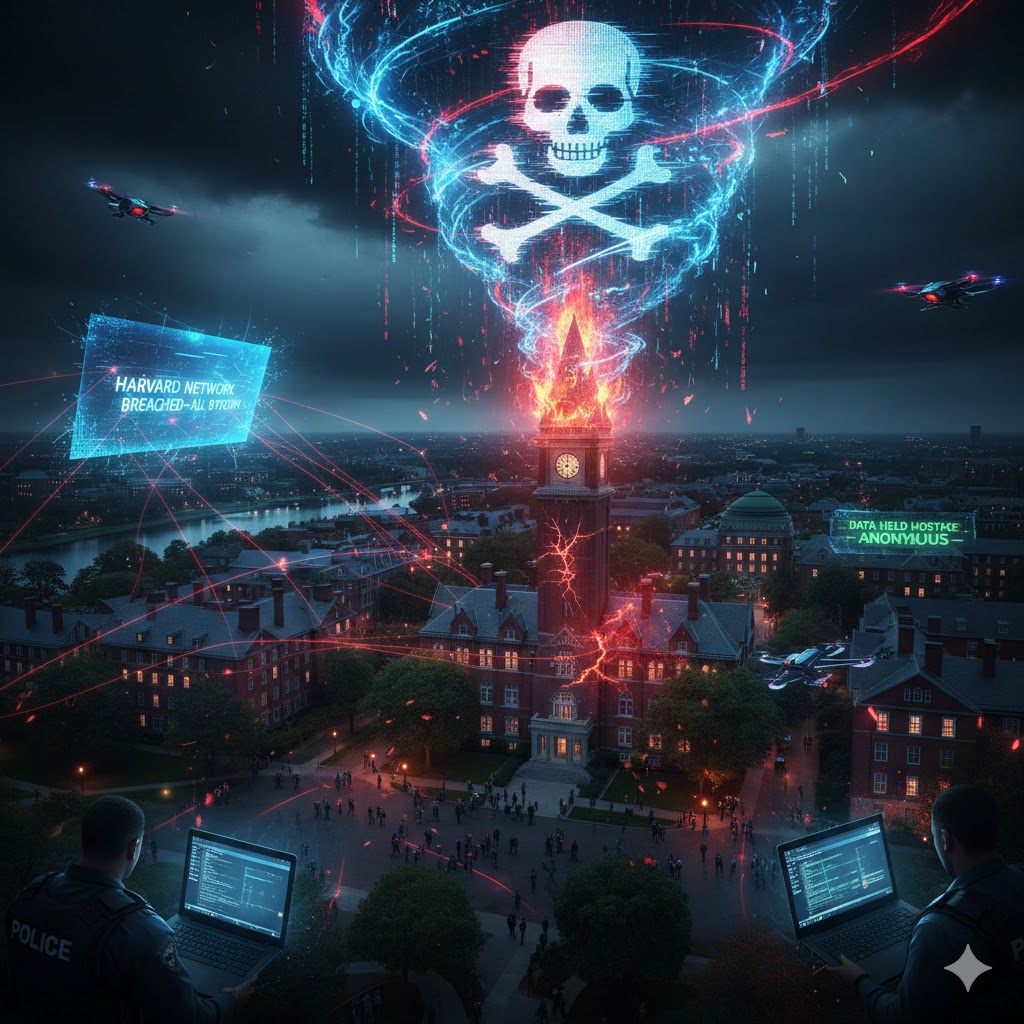
The recent disclosure that Harvard’s Alumni Affairs and Development division was breached after a voice-phishing attack offers a vivid cautionary tale for companies far beyond academia. On November 18, administrators detected unauthorized access to sensitive databases. Investigators are still working to determine what information was accessed. According to the university, the compromised systems did not store Social Security numbers, passwords, payment card data, or financial account numbers. What they did contain — and what may now be exposed — were names, email addresses, phone numbers, physical addresses, donation records, attendance at events, and other biographical details tied to alumni, donors, students, staff, and potentially even family members.
In many ways the incident underlines a harsh reality about data security: attackers often do not need financial data to cause harm. Contact details, background information, and even metadata about events or donations can be used to craft convincing targeted attacks. For businesses in New York — where firms may handle client data, employee personal information, or partner records — the lesson is clear: a breach need not expose bank or credit-card information to be consequential.
Modern enterprises increasingly rely on third-party vendors, cloud services, or outsourced data-management systems. When those external partners manage large, sensitive data sets — personal records, customer history, donor or client information — the security of those vendors becomes a material risk to the business. The Harvard breach illustrates how even a high-profile institution with presumably strong internal safeguards can fall victim to a relatively simple “vishing” (phone-based phishing) attack.
The financial industry has wrestled with this problem for years. Recent analysis of sectorwide cyber incidents showed many breaches stem from third-party vulnerabilities, unpatched systems, overly permissive access rights, and misconfigured cloud infrastructure. Extra attention should be paid to continuous patch management, network segmentation, and strict “least-privilege” access policies. These measures help limit what malicious actors can see and steal should they gain initial access.
An additional layer of defense comes from cultivating a security-first culture. Employee training on phishing awareness, regular audits of who has access to which data, and role-based access controls help prevent breaches before they begin. Many data-breach prevention frameworks emphasize the need not only for technical safeguards, but also for company-wide vigilance and governance.
For New York businesses — especially those handling client or customer data, running real estate, finance, or service-oriented workloads — this kind of breach should serve as wake-up call. Regulatory scrutiny is growing, and even non-financial data leaks can trigger legal or compliance exposure. Moreover, reputational damage can be swift and difficult to reverse. Once customers or clients believe their personal data is unsafe, trust erodes — and in a competitive market that can be costly.
It may be tempting to view higher-education institutions as different from private business: their structures, constraints, and risk profiles seem remote from those of corporations. But the breach at Harvard shows that attackers often use low-tech, high-reward attacks — phoning employees, impersonating trusted voices, exploiting human error. Those are risks that corporations face as well, often at a higher volume.
Importantly, businesses should approach data security not as an occasional IT responsibility, but as a core operational risk. That means investing in stronger vendor oversight, limiting access privileges internally and externally, conducting regular security audits, and testing employees — especially those in finance, HR, or client relations — on their readiness to spot phishing or vishing attempts.
The broader lesson: data security isn’t just about firewalls or encryption. It’s about governance, process, people. When even institutions such as Harvard — with ample resources, reputation, and internal controls — can be compromised through a phone-based phishing attack, it underscores how fragility remains widespread. For companies operating in dense business ecosystems such as New York it means treating every external tool, vendor, and interface as a potential weak link.
As more organizations — from universities to financial institutions — fall victim to supply-chain or vendor-based attacks, businesses that proactively shore up vendor risk management, employee training, and cybersecurity governance will likely fare far better. New York firms that take these steps now may avoid being the next one in the headlines.
Consider a top MSP or IT service provider such as Apex Technology Services or even an MSSP to help you stay secure. It is a very dangerous world and the specialization these organizations can provide means they are often up to date on the latest attack vectors. Increasingly, companies are one cyberattack away from shutting down. Make sure you work with qualified people before an attack happens to your organization.

 Apex Technology Services